Roofing
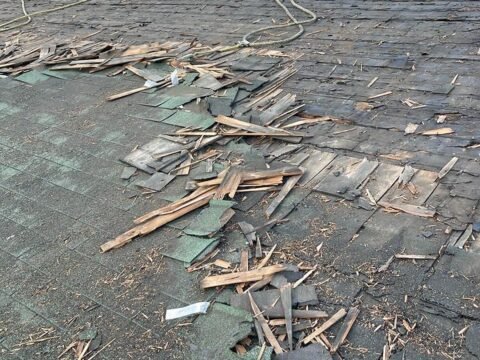
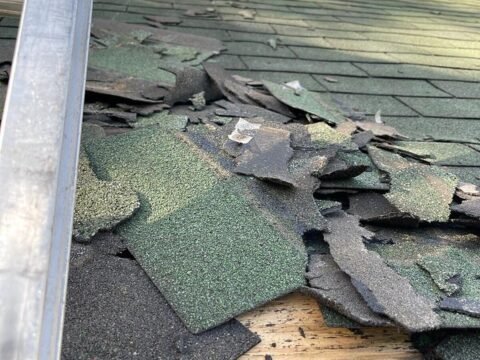
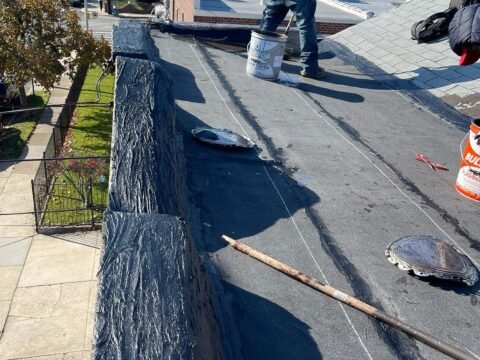
Waystar repairs and replaces roofs on residential and commercial buildings in Brooklyn and New York City. That covers pitched shingle,…
10 services
Construction and restoration in New York
Seven areas of work and sixty nine individual services, covering the roof, the structure, the exterior and the rooms inside.
Where to start
Every category below holds the individual services inside it. If you are not sure which one your problem belongs to, describe it and we will tell you.
Waystar repairs and replaces roofs on residential and commercial buildings in Brooklyn and New York City. That covers pitched shingle,…
10 servicesWaystar waterproofs roofs, exterior walls, foundations, basements, parapets, balconies and terraces on New York City property. The work also covers…
9 servicesWaystar carries out masonry and facade restoration on New York buildings: repointing, brick and stone replacement, brownstone and stucco repair,…
16 servicesWaystar carries out renovation and construction work on homes, apartments and commercial space in New York City, from single room…
12 servicesWaystar handles exterior improvements on New York property: siding installation and repair, exterior painting, window and door replacement, deck construction,…
9 servicesWaystar carries out structural and concrete work on New York property: foundation repair, concrete repair and replacement, sidewalk repair, retaining…
9 servicesWaystar carries out carpentry and interior finishing on New York property: framing, drywall installation and repair, trim and molding, custom…
9 services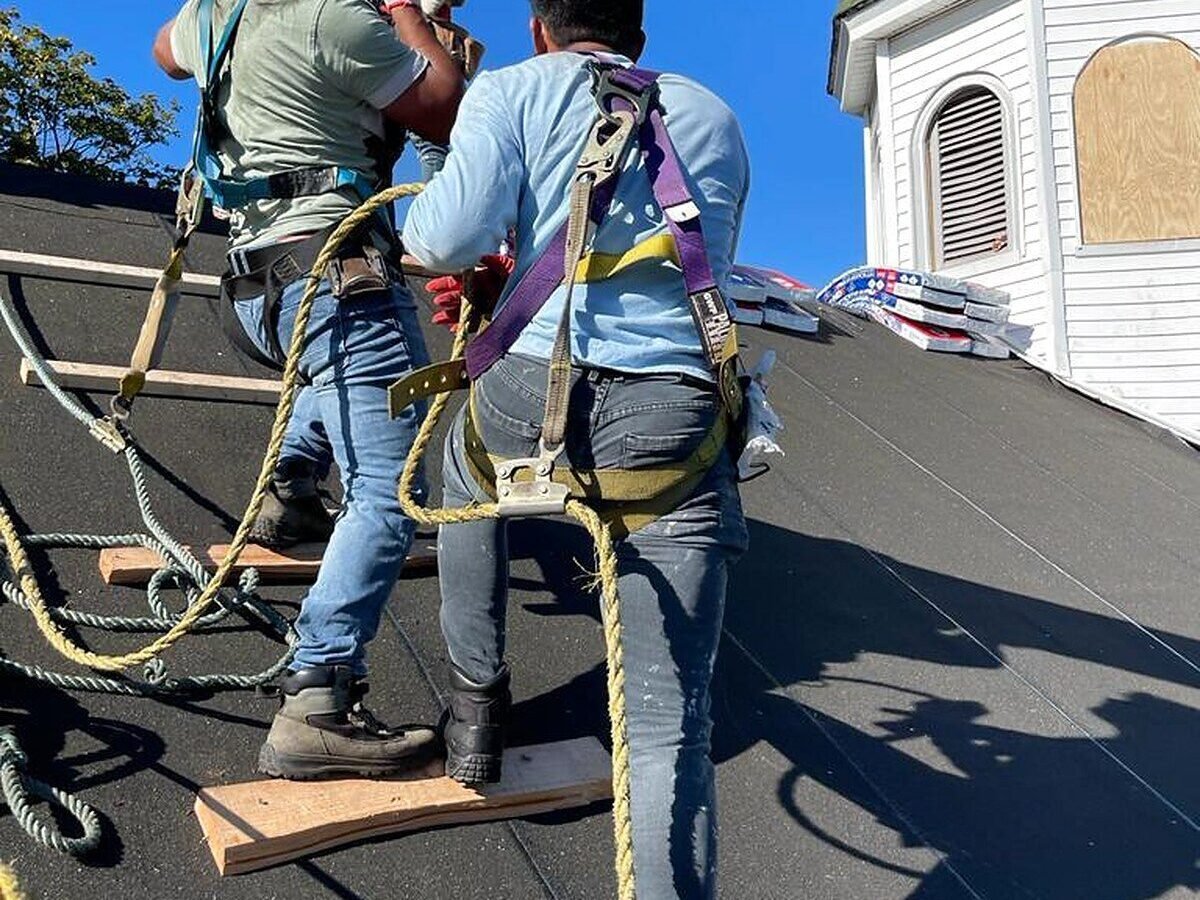
Roofing
A roof is the part of a building that fails quietly. By the time a stain appears on a ceiling the water has usually been travelling for a while, so the useful question is not where the mark is but where the water got in. Waystar covers repair, replacement and the full range of roof types found on New York buildings, from pitched shingle roofs on houses to flat systems on multifamily and commercial property.
Waterproofing
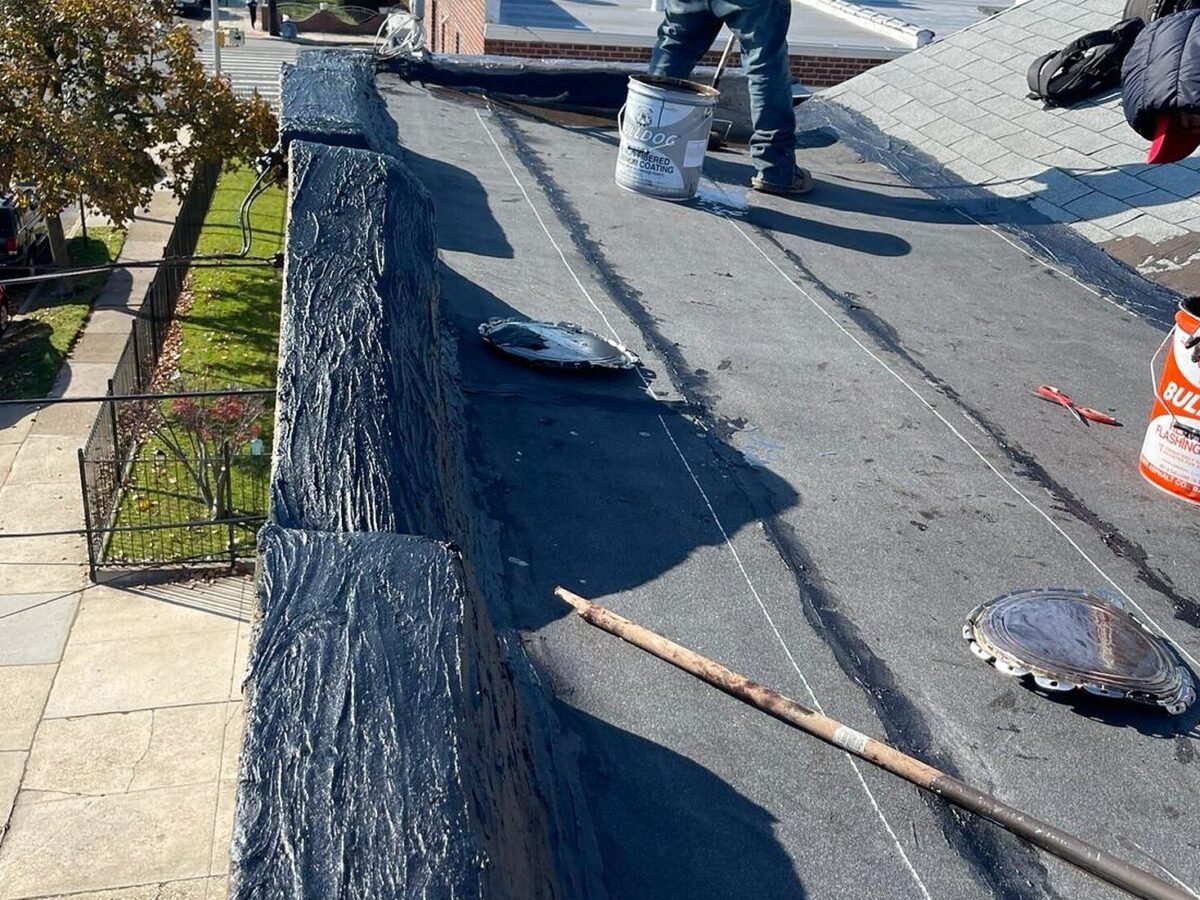
Waterproofing is the work of keeping water on the outside of a building. It matters most at the places where one material meets another: where a roof meets a parapet, where a wall meets the ground, where a balcony meets a door threshold. Those junctions are where most water gets in, and they are where this work is concentrated.
Masonry and Facade Restoration
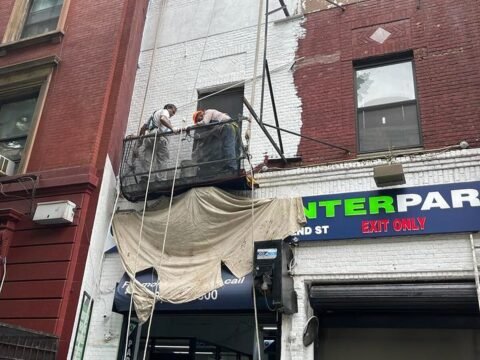
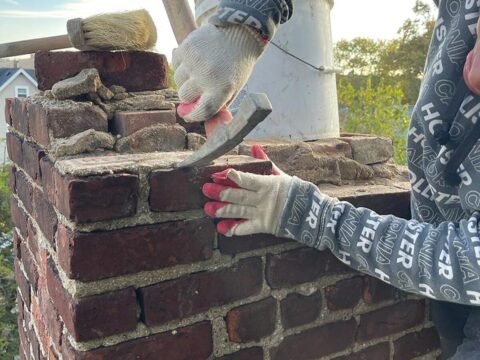
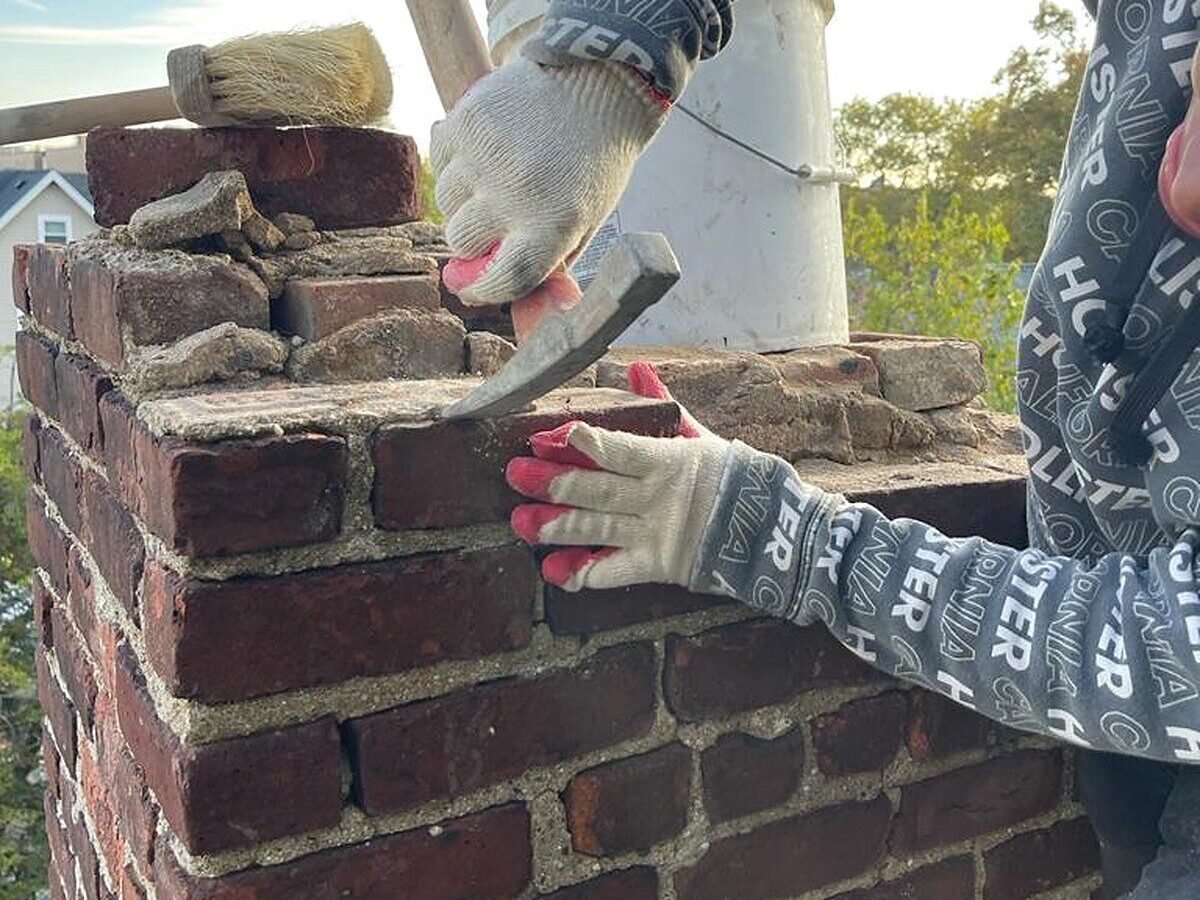
Brick buildings shed water through their surface, their joints and their details. When the mortar recedes, the lintels rust or the parapet opens up, the wall starts holding water instead of shedding it. Restoration work is about returning those details to sound condition in a way that matches how the building was originally put together, rather than covering the problem with something harder and newer.
 Concept image
Renovation and Construction
Interior projects rarely start with something broken. They start with a layout that has stopped matching how a household lives or how a business trades. The work is as much about sequencing and protecting an occupied space as it is about the building itself, which is why the scope and the programme get agreed before anything comes out.

Exterior Improvements
The outside of a property does two jobs at once. It keeps weather out and it sets what people think before they get to the door. Siding, painting, windows, decks, walkways and gutters all sit in that overlap, where the practical and the presentable are the same decision.
Structural and Concrete Work
This is the work underneath everything else. Foundations, slabs, sidewalks, retaining walls, steel and underpinning are rarely what a property owner wants to spend money on, and they are the things that turn expensive fastest when they are left. Structural work is also where an engineer is often involved, and we will say plainly when that is the case.
 Concept image
Carpentry and Interior Finishes
Finishes are what people actually touch. Framing and drywall decide whether a wall is straight, trim and millwork decide whether a room looks finished or nearly finished, and cabinetry and doors decide whether it still works properly in five years. This is the part of a project where the difference between adequate and good is most visible.
How the work runs
Whether the work is a single lintel or a full exterior, the sequence stays the same. It is what keeps the surprises down.
We look at the building, the access and the conditions before offering an opinion.
The proposed work, materials and figures are written down for you to review.
Access, safety and surface protection are arranged before work starts.
The work runs to the agreed scope with updates as it progresses.
We walk the finished work together and deal with anything outstanding.
Why it is worth doing properly
Water is patient. A hairline crack in a parapet or an open mortar joint lets it in, freezing and thawing widens the gap, and by the time a stain appears on a ceiling the repair has grown well past the original fault.
Catching it early is nearly always the cheaper option, and it is usually the less disruptive one too.
Service questions
You do not need to know. Describe what you can see, where it is and when it happens, and we will tell you which trade it actually is. A leak that looks like roofing is often masonry or drainage.
The initial consultation is free. If a project needs specialist investigation beyond a visual assessment we will tell you before anything is arranged.
Yes. Single repairs are welcome, and often that is the sensible way to deal with a fault before it spreads.
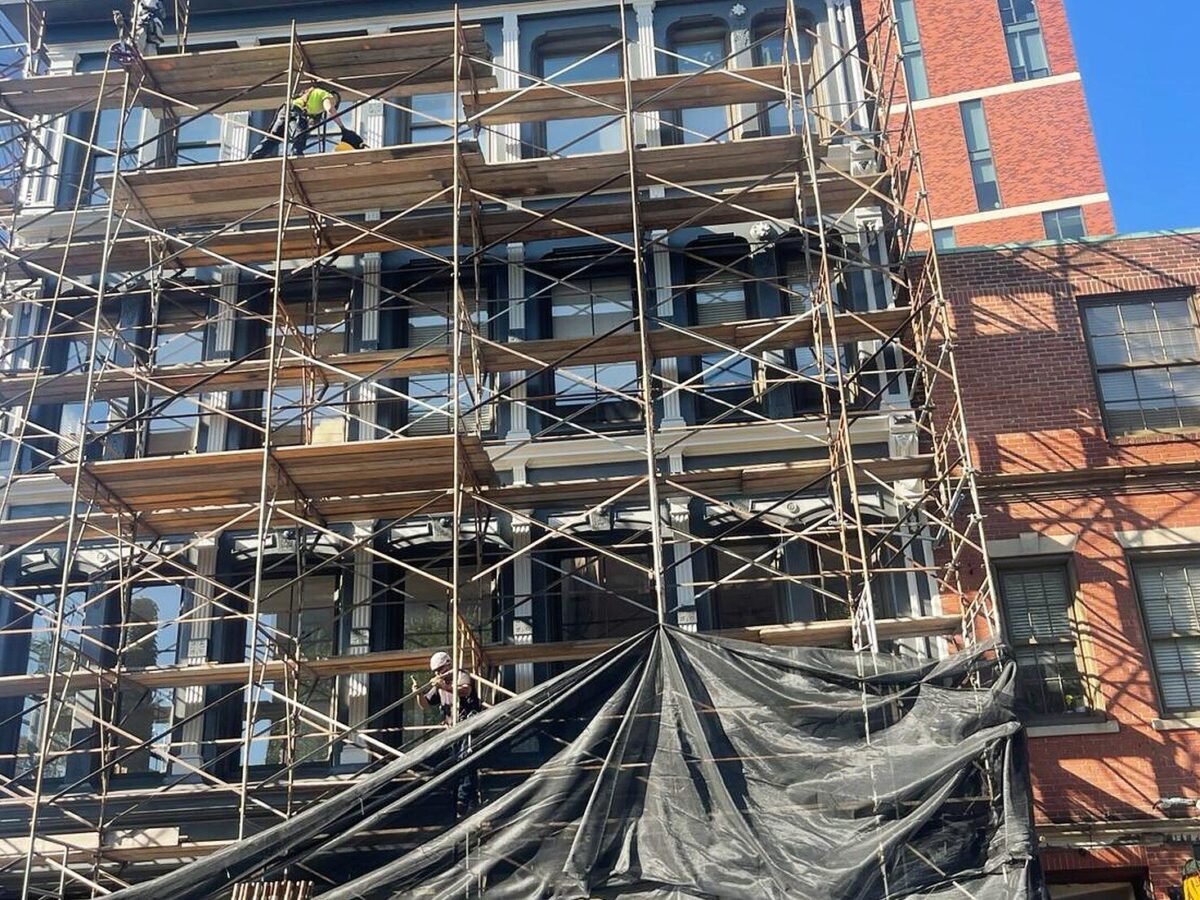
Frequently, and it is usually cheaper. Where access is the largest cost, grouping work onto one scaffold or platform saves paying for that access more than once.
Where a job needs permits, sidewalk protection or scaffolding, that is covered in the scope so you can see what is included before you commit.
Some work continues year round and some materials need temperatures above a threshold to cure properly. We will tell you honestly which category your project falls into.
Your property deserves a solid plan