What brick Pointing and Repointing covers
Repointing replaces the mortar in the joints of a brick wall. Mortar is designed to be the sacrificial part of a wall, wearing before the brick does. When it recedes, the wall starts holding water instead of shedding it, and repointing restores that function.
Repointing replaces the mortar in the joints of a brick wall. Mortar is designed to be the sacrificial part of a wall, wearing before the brick does. When it recedes, the wall starts holding water instead of shedding it, and repointing restores that function.
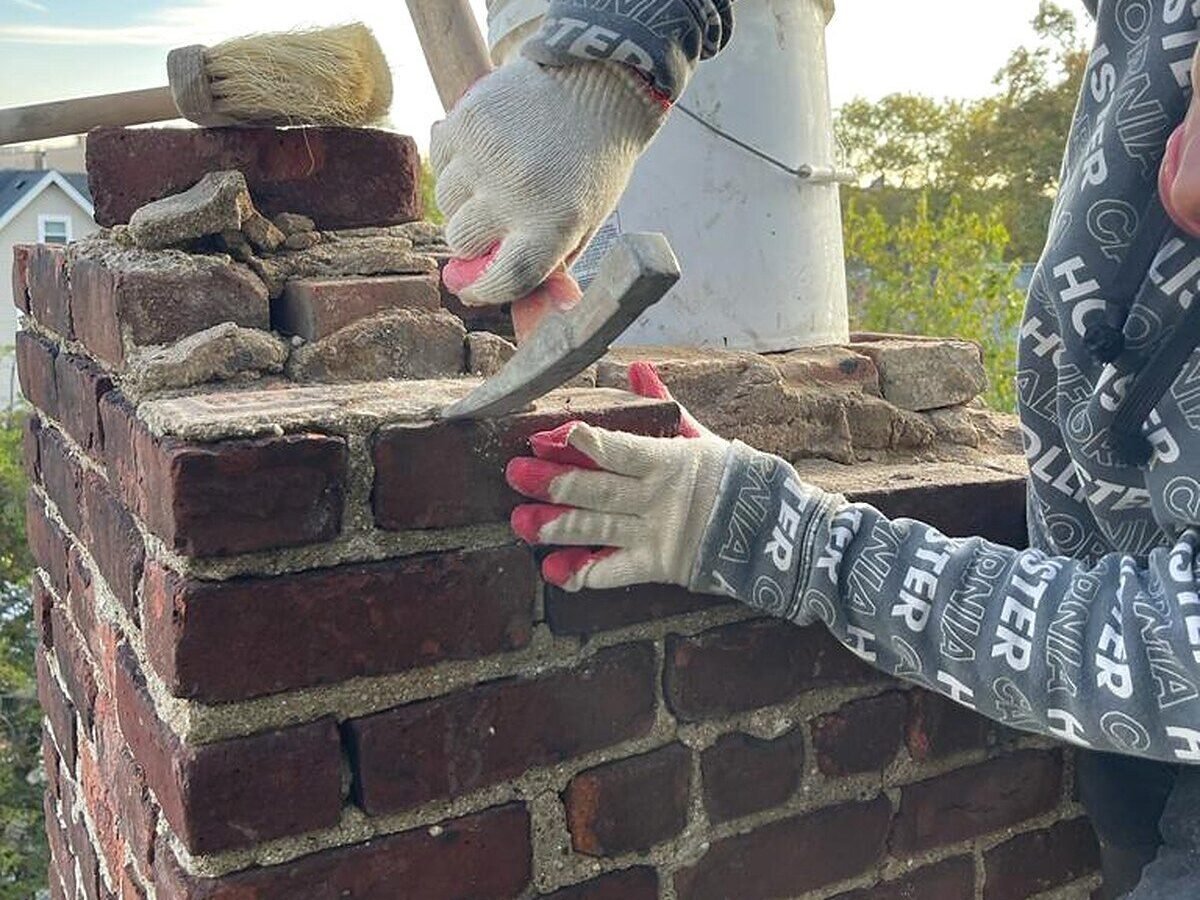
Raking out failed mortar to a sound depth and refilling it with a mortar matched to the wall.
Waystar carries out this work on residential and commercial property in Brooklyn and across New York City. Every project starts with a look at the building, and the scope, the materials and the figures are written down before anything begins.
When might you need it?
These are the signs owners usually notice first.
- Mortar that crumbles when a key is run along the joint
- Joints receded so the brick edges stand proud
- Damp on the inside face of an exterior wall
- Previous repointing done in a hard cement mortar
- Vegetation or moss taking hold in open joints
What the work involves
- Survey of joint condition across the elevation
- Mortar analysis so the replacement matches in strength
- Failed mortar raked out to at least twice the joint width
- Joints flushed and dampened to control suction
- New mortar packed in layers and finished to the existing profile
- Wall cleaned down and protected while curing
How the process works
Match the mortar
Strength matters more than colour. A mortar harder than the brick pushes damage into the brick face.
Rake to sound depth
Shallow raking is why most repointing fails within a few years.
Pack in layers
Deep joints are filled in passes so the mortar compacts rather than shrinking back.
Finish and protect
The profile is matched to the existing wall and the work is protected while it cures.
What you get
- A wall that sheds water rather than absorbing it
- A mortar softer than the brick, so the brick is protected
- Joint profile matched so the repair is not obvious
What affects the scope
- Elevation area and joint density
- How deep the failed mortar runs
- Whether previous cement pointing has to be cut out
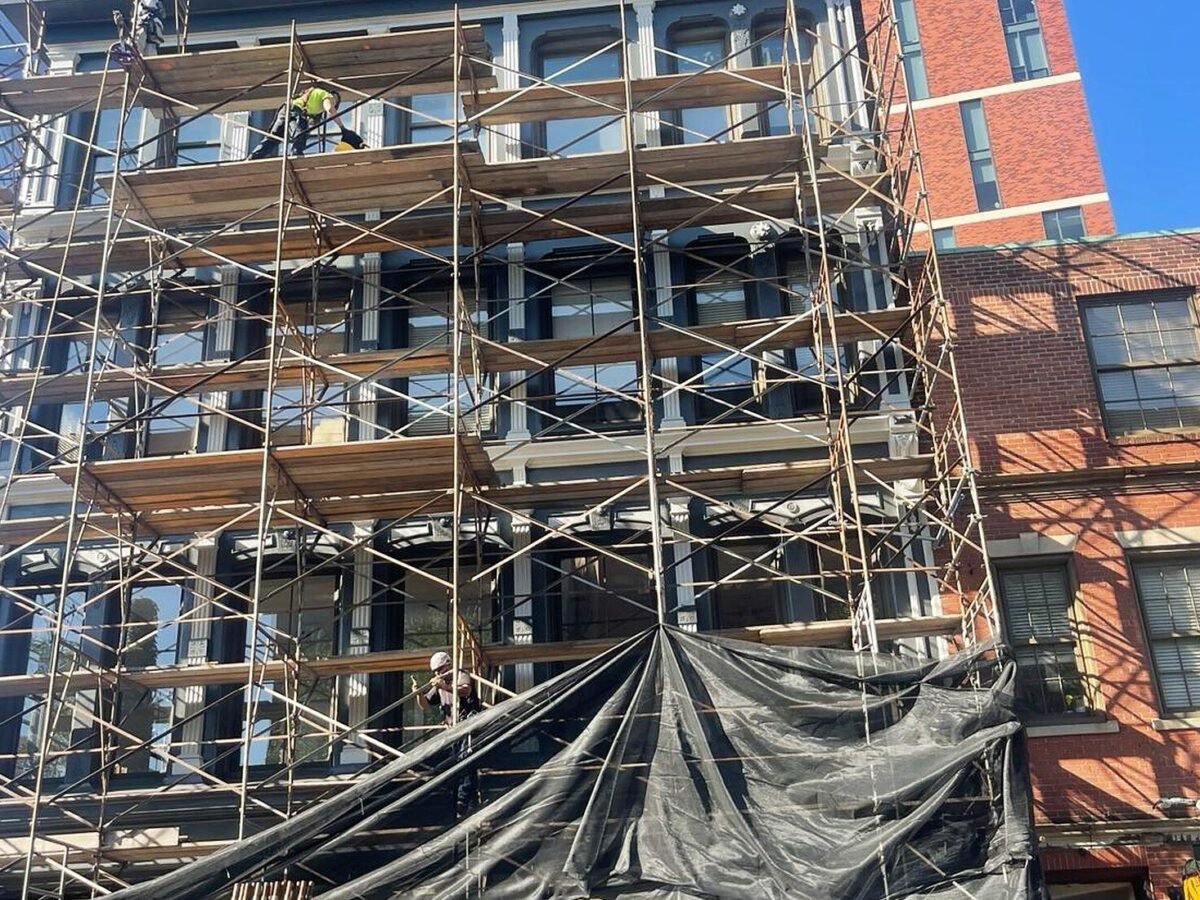
- Access and whether scaffold or a platform is required
This is a preliminary planning range, not a quote. A property visit is required before any price is confirmed.
Frequently asked questions
Can you repoint just the bad areas?
Yes, and it often makes sense. It will be visible for a while until the new mortar weathers, and we will show you a sample before committing to the whole elevation.
Why is cement mortar a problem on old brick?
It is harder than the brick around it. Water and salts then move out through the brick face instead of the joint, and the brick spalls.
How long before it can get wet?
New mortar needs protection while it cures, and the scope sets out how long. Rain on green mortar washes it out.
Services often needed alongside this
This service is part of Masonry and Facade Restoration.
Related work