What balcony and Terrace Waterproofing covers
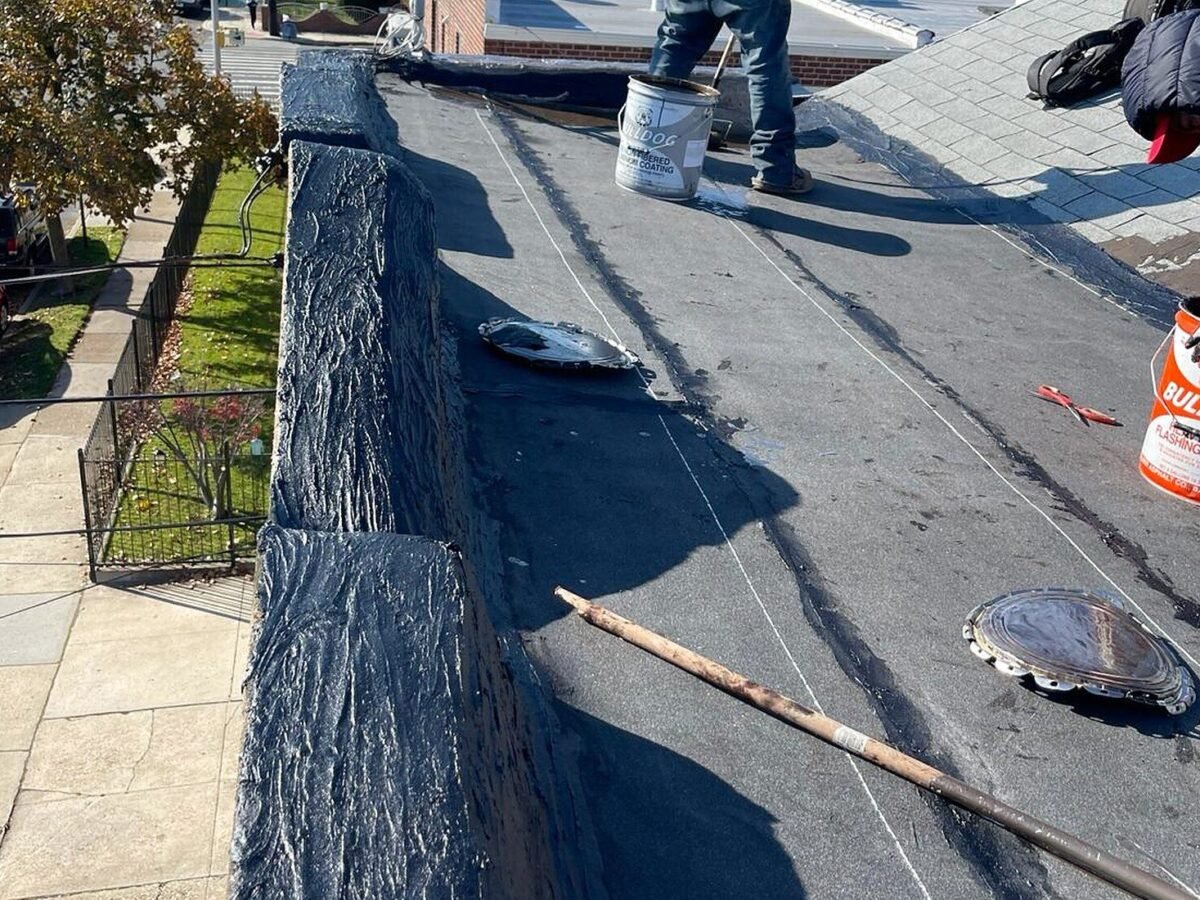
Balconies and terraces are roofs with furniture on them. They sit over occupied space, and the two places they most often fail are the door threshold and the upstand at the wall, where the waterproofing has to terminate above the finished surface.
Balconies and terraces are roofs with furniture on them. They sit over occupied space, and the two places they most often fail are the door threshold and the upstand at the wall, where the waterproofing has to terminate above the finished surface.
Waterproofing outdoor floors that sit over occupied rooms, where the door threshold is the weak point.
Waystar carries out this work on residential and commercial property in Brooklyn and across New York City. Every project starts with a look at the building, and the scope, the materials and the figures are written down before anything begins.
When might you need it?
These are the signs owners usually notice first.
- Damp on the ceiling of the room directly beneath
- Water pooling on the terrace instead of draining
- Tiles lifting, drumming or cracking across the surface
- A door threshold sitting level with or below the finished floor
- A drain that is blocked or set too high to work
What the work involves
- Survey of falls, drainage, threshold height and upstands
- Existing finish lifted where it has to come up
- Substrate repaired and falls corrected towards the outlet
- Waterproof layer installed and dressed up all upstands
- Threshold detailed so water cannot track back inside
- Drainage and finish reinstated over the completed system
How the process works
Check the threshold height first
It is the most common failure point and it constrains everything else.
Lift and assess
The existing finish comes up so the substrate and falls can be seen.
Waterproof and terminate
The system is dressed up every upstand and terminated above the finished level.
Reinstate and test
Drainage and finish go back over the completed waterproofing, then it is water tested.
What you get
- The room underneath protected properly
- Standing water removed rather than sealed over
- A threshold detail that works in wind driven rain
What affects the scope
- Available height between the threshold and the finished surface
- Whether the existing finish can be reused or must be replaced
- How far out the falls are and how much correction they need
- Access for removing spoil and bringing materials up
This is a preliminary planning range, not a quote. A property visit is required before any price is confirmed.
Frequently asked questions
Why does the water come in at the door?
Usually because there is not enough height between the waterproofing and the finished floor. The system has to terminate above the outside level, and often it does not.
Can the existing tiles be saved?
Sometimes, if they lift cleanly. Frequently they do not, and forcing it costs more than replacing them.
Does the balcony need a fall?
Yes. A level balcony holds water and pushes it towards the door instead of the drain.
Services often needed alongside this
This service is part of Waterproofing.
Related work